


Dear Love and Laundry Readers,
I have resisted writing about this particular topic for a while now.
I’ve resisted because I want this newsletter to be something you enjoy reading and I enjoy writing, and this topic makes me gnash my teeth and tear my hair.
Yes. I’m talking about AI.
Those of us who write books are uniquely impacted by this technology. And if you love to read, you have a stake in what’s about to happen next, too. For better or for worse, our fates are intertwined. And I think you deserve to know what’s coming down the pike.
Plus, I have OPINIONS. So here we go.
First, AI is here, obviously. It’s crawling out of our computers like an invasive plant, creeping into every aspect of our lives.
For example, the other day we noticed a feral, dog-like creature sitting on the outdoor couch on our back porch. Was it a fox? A dingo? A werewolf?
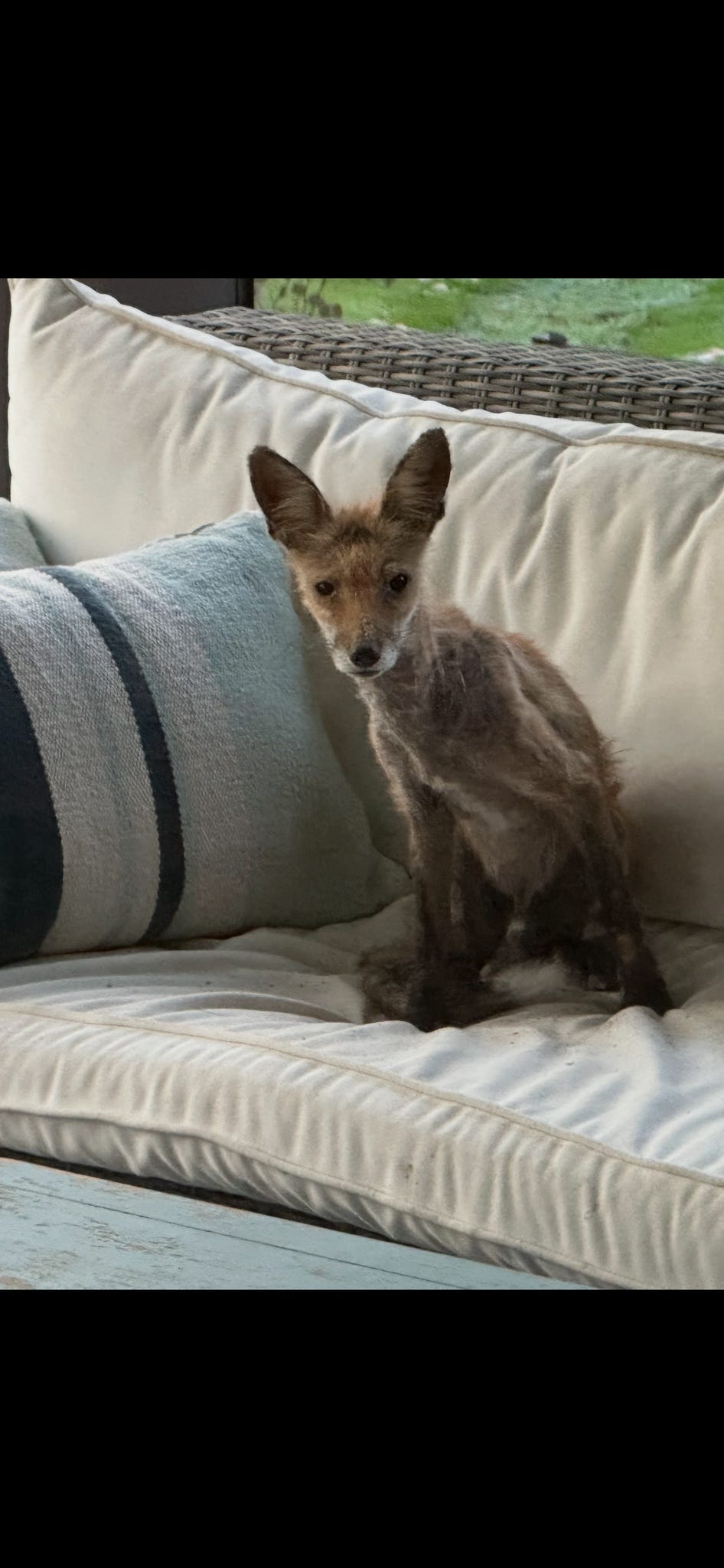
My husband took a picture and asked Claude. Claude identified it as a young fox with mange. For the record, my vet disagrees, but we promptly washed and disinfected every inch of the porch just in case, and now we lower the screens at night.
Helpful information. News we can use. Thanks, AI!
Everyone around me is using AI to perform mundane human tasks with greater speed and efficiency.
But AI is also doing non-mundane human tasks with greater speed and efficiency. Like, for example...writing books.
In 2023, Amazon had to make a new rule limiting the number of books an author can upload to Amazon to three books a day.
Does this mean there are authors in the world who are so efficient they can write more than three books in a twenty-four-hour period?
No. It does not.
No human can write three books in a day. Even people who don’t have kids.
But robots can.
Some “authors” have figured out how to write an entire novel using AI. They can now “write” a book in hours. Then they toss this book up on Amazon and sell it to unsuspecting readers.
These “authors” are not required to tell readers they used AI. And they certainly aren’t going to disclose this voluntarily, because they understand that discerning readers do not want to buy books written by robots.
Some of these “authors” also hire click farms to manipulate the algorithm. They artificially jack up the ratings, making their robot-written AI books look like best sellers. This in turn lowers the rankings for legitimate books written by human authors, making it harder for readers to find and buy the human-written books.
As the AI gets better, it will become increasingly difficult for those who produce and disseminate books (bookstores, publishing houses, your local librarian) to guarantee those books are written by humans.
Eventually, they may be forced to give up and stop trying.
Then the floodgates will open and AI written books will be everywhere, like a virus.
So. Why does this matter to you as a reader?
It matters because even if these AI written books are grammatically correct with perfect sentences, your reading experience will become less satisfying. Sterile stories produced by a machine will not feed the human heart or challenge the human mind.
As a reader, you won’t connect with characters the way you once did. You won’t have that immersive feeling of losing yourself in another world. Instead of plots twists, you’ll have predictable tropes. You’ll find less humor. The characters won’t be as relatable.
This change will be gradual. Subtle. And pervasive.
Instead of buying new books, you’ll find yourself re-reading old books. Books written before 2022. Because this is the only way to ensure you’re reading a book written by a human. These old books will satisfy you in ways new books don’t.
Or you might just find yourself reading less. This is my biggest fear.
Maybe you’ll take up yoga or pickle ball instead. Because frankly, reading just won’t be as enjoyable as it used to be.
We’re already in a situation where fewer people are reading books. The Atlantic Monthly ran a depressing, thought-provoking cover story in August called The End of Reading is Here by Rose Horowitch.
According to this article, “the proportion of Americans who read for pleasure on any given day fell from 28 percent in 2004 to 16 percent in 2023. (The study looked at people who had read a book, magazine, or newspaper; listened to an audiobook; or read an e-book.)”
If adults don’t read, they won’t read to their kids. If children aren’t read to, they are less likely to become readers themselves. It becomes a sort of doom cycle where fewer and fewer people read books.
We are now entering a landscape where millions more books are published each year with AI, while the universe of readers shrinks.
I am not an economist, (understatement of the year) but even I know that expanding supply and shrinking demand is not a good thing. In an era when people are already reading less, AI “authors” are flooding the marketplace with lower quality books to make reading less satisfying for the 16 percent of people who still read for pleasure.
It’s a perfect storm of BAD THINGS.
I know. You are probably thinking, “Gee, Christine. This is so much fun. Do people still invite you to parties?”
So let’s shift to a solution, like AI detection software.
If it becomes accurate enough, publishers could deploy this software like spell check, guaranteeing the books they publish are written by human authors, giving readers a sort of Good Housekeeping Seal of Approval to look for when purchasing books.
Unfortunately, the current AI detection software on the market gets mixed reviews.
In a Kafkaesque twist, authors who published books ten years ago are having their books flagged as AI because AI companies trained the AI to write using their books. As your high school English teacher would point out, this is an excellent example of irony.
However, the people who make an AI detection software called Pangram claim a 1.0041 false positive rate. If true, this is a possible solution.
Others have called on writers to voluntarily disclose the use of AI in the writing process. But this is sort of like requiring counterfeiters to disclose the fact that they make fake twenty-dollar bills.
Honest writers don’t use AI and therefore have nothing to disclose, and the dishonest writers who use AI won’t disclose it.
So that’s what I believe AI means for readers. What does it mean for writers?
First, let us pause for a moment so I can put up a sort of flashing yellow light. I’m about to lead you into the dark forest of Worst-Case Scenario.
And you are free to shake your head and say, “Please, Christine. Don’t be ridiculous.” You are free to hit reply and give me lots of evidence to the contrary and tell me why I’m wrong, and I will cherish every scrap of hope you send and press it to my heart.
But.
I fear we are heading backwards, away from a literate society and towards...something else. A place where the highest expression of human thought is, “OMG.” Or possibly, “Bruh.” Or maybe we abandon the inefficiency of words altogether and just communicate like this: 😱😱😱
Working writers today could become the last generation of authors. Real writers will always write for pleasure, but the number of people willing and capable of writing an entire book from scratch without AI could shrink dramatically in the next twenty years.
Writing a book without AI could become a bygone hobby, like knitting a sweater by hand, instead of a career for which you can earn a paycheck.
Meanwhile, reading novels could become a niche activity like going to the symphony. A beautiful pastime for a dwindling number of people who appreciate art for the sake of art and who still have the attention span to read an entire book for pleasure.
So. That’s where I think we might be headed, but I really hope I’m wrong. If you ask my teenagers, they’ll tell you that I’m wrong about most things, so take heart from that.
Here’s the next question: if there is any truth in these scary predictions, what can we do about it? Because there’s always something we can do.
Here’s what I’m doing as a writer.
I removed Microsoft Co-pilot the moment it appeared on my computer. I do not have Claude or Chat GPT on my computer or my phone. As a writer, I do not want to entertain even the slightest temptation to use this stuff.
I still use spell check and grammar check in Word and other than Google, I do not use AI for research.
I realize this makes me sort of technologically Amish, and for you AI might be perfectly fine. Everyone around me is using AI for completely non-evil purposes, so I’m trying to be openminded. What people do in the privacy of their own laptop is between them and God. You do you, and all that.
But for me as an author, AI is an existential threat and I will not use it in my writing.
I think it’s wrong. I think it’s dishonest. I think it’s lazy. I think it’s cheating.
“Writers” who use AI are not writers. They are prompt engineers who’ve outsourced to a machine God’s finest human gift; the ability to create.
I also feel that I owe it to you not to use AI. By reading my books, you make it possible for me to be an author. I will not give you something less than human in return.
So. No AI for me. Not for my books or social media posts or this newsletter or emails to customer service representatives at Ballard Design about my missing rug. Because I’m a writer. So I write.
Maybe eventually I will be forced to use AI for non-writing tasks but I’m going to hold out as long as possible. This is what I’m doing instead of getting a tattoo or riding a motorcycle. I’m a middle-aged suburban rebel and the slow beauty of human inefficiency is my cause.
Because I am not efficient. I am clunky and time consuming and a little creaky, like the Tin Man in the Wizard of Oz. I stare out the window and think inefficient human thoughts as I grope for ideas just beyond my reach. Then I struggle to describe those ideas, one word at a time over the course of an entire year, until I’ve created a new book.
In the end, I find a little bit of hope for the future in something from the past.
When we were in Venice, we visited a mosaic artist who uses the same techniques artisans used in Roman villas and Greek temples thousands of years ago. She uses ancient tools and an ancient process to create modern art.
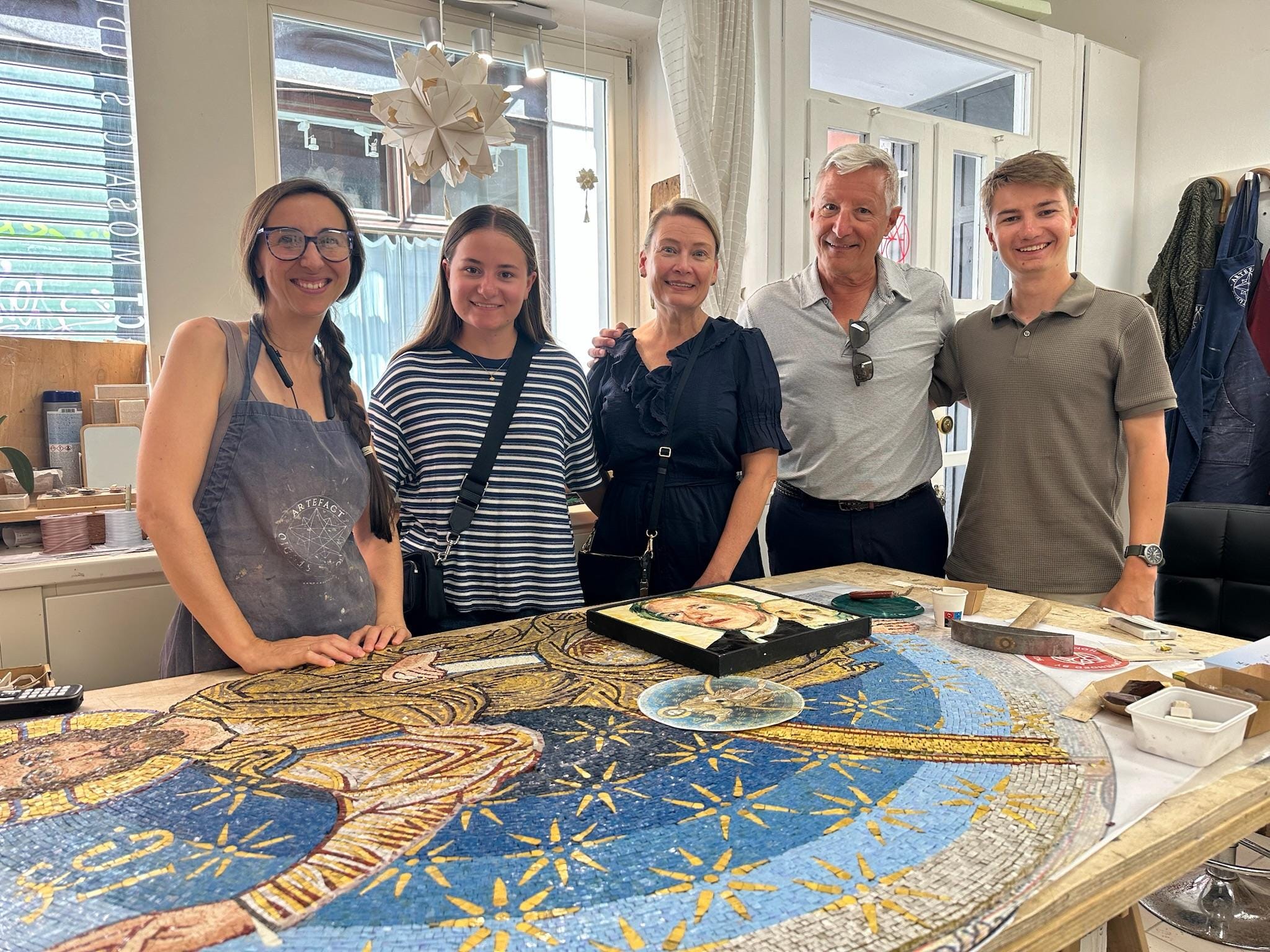
Once upon a time there were artisans like her in cities across the globe. Now there are only a handful of people on the planet who can do what she does.
But as long as someone values the art, the artisan will remain. And that’s where I find hope.
Until next month, (when I promise something really cheerful!)
Your long winded, human author friend,
Christine
P.S.
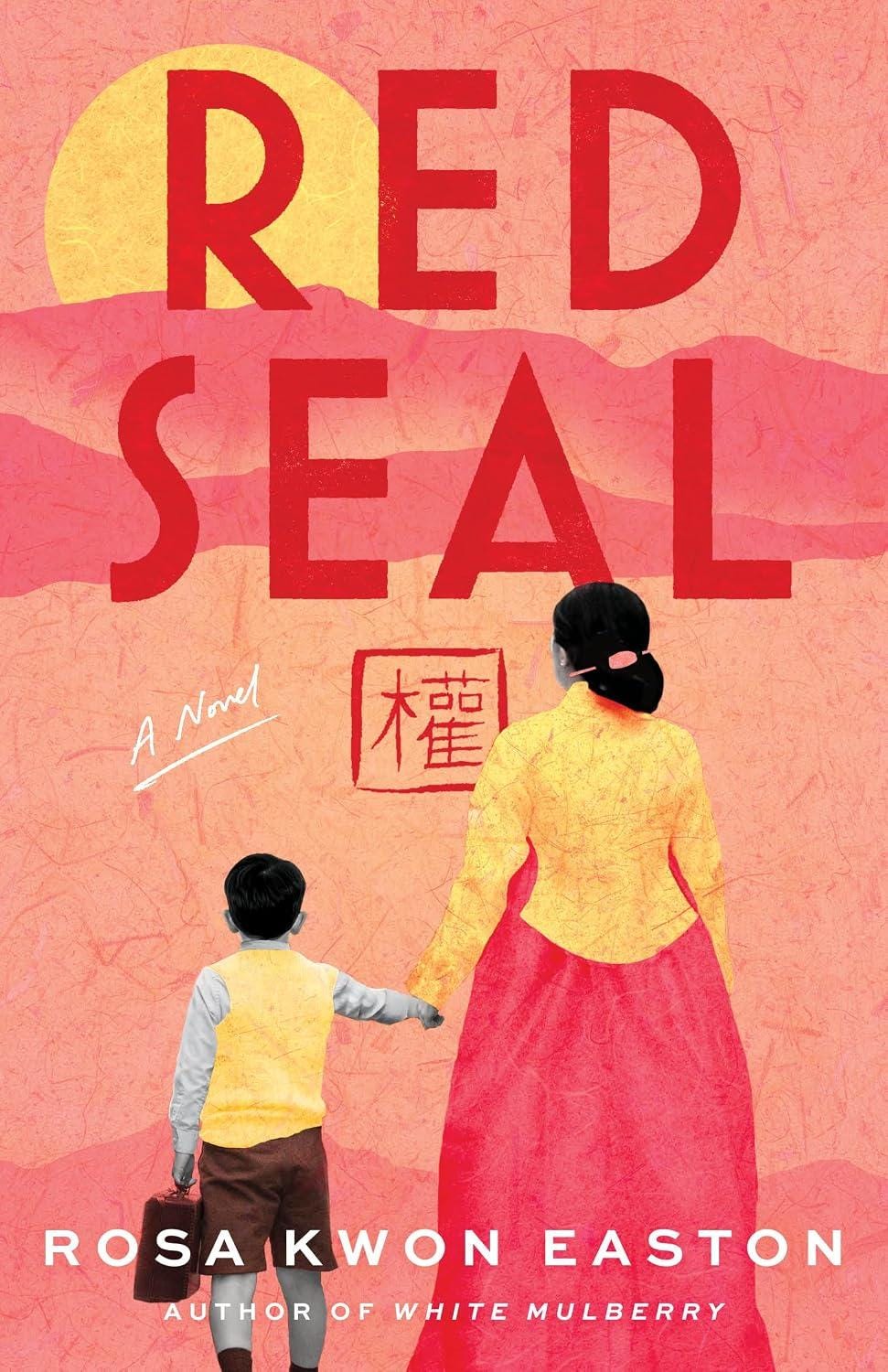
If you want to read a wonderful book written by a wonderful human this month, I recommend Red Seal, by my friend Rosa Kwon Easton. She writes historical fiction based on the real experiences of her Korean family. If you like beautifully written, multi-generational historical fiction you’ll love Rosa’s books. So good!!!
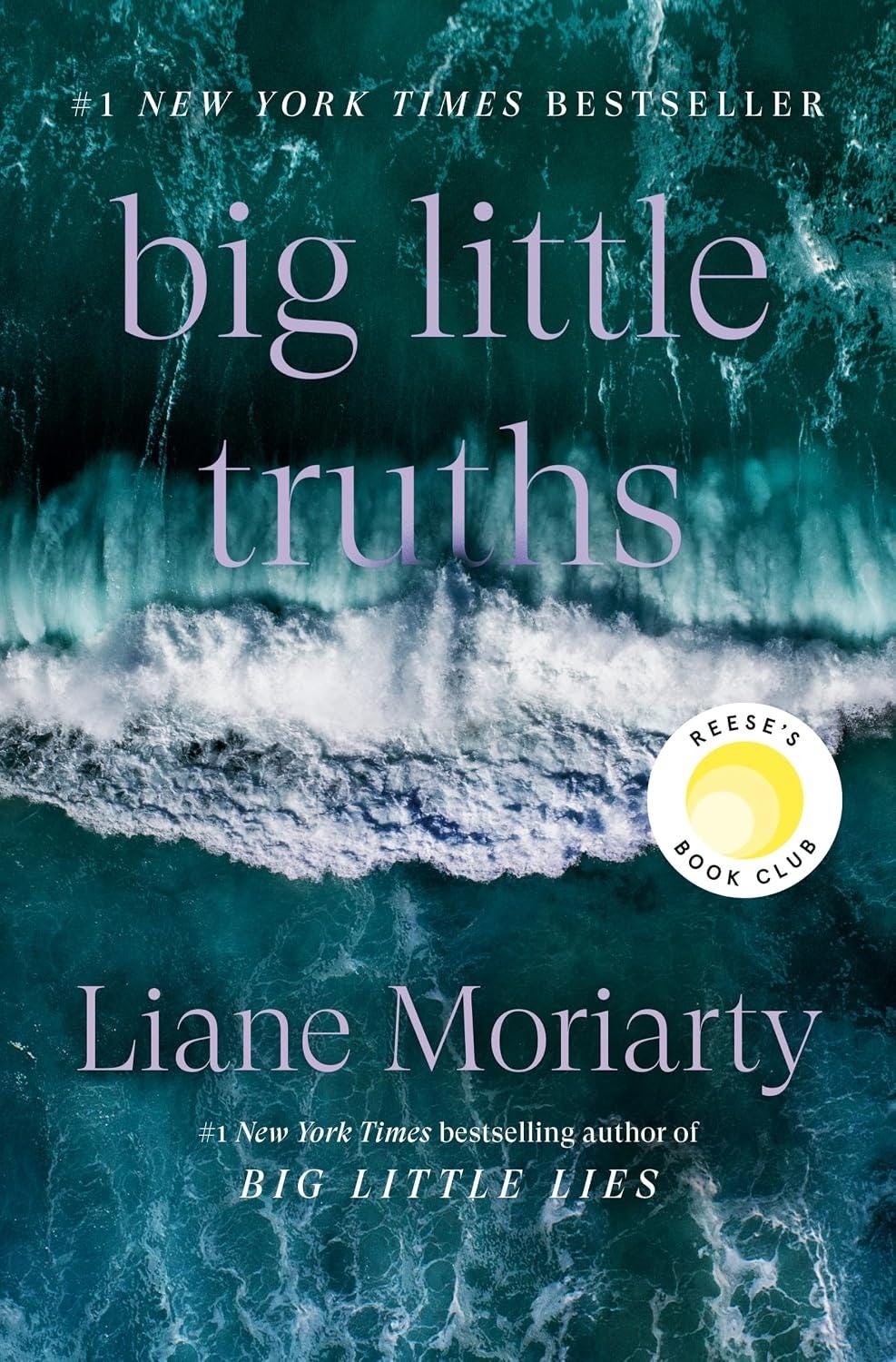
I also just finished Liane Moriarty’s Big Little Truths, the sequel to Big Little Lies and I loved it. It made me laugh out loud on an airplane. Highly recommend.
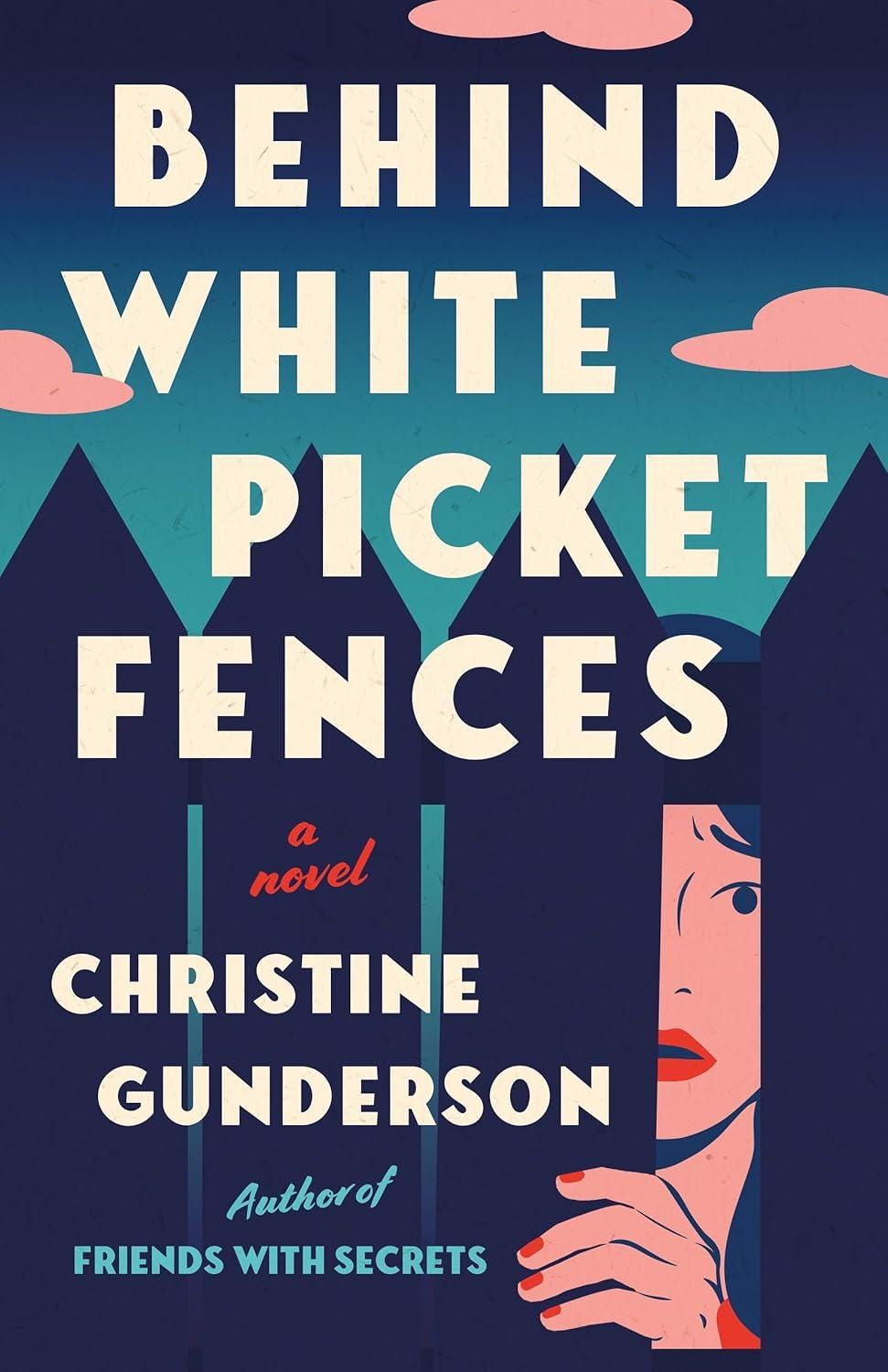
“It instantly had me hooked - I started reading the book but couldn’t put it down so quickly switched to the audio book so I could keep listening while I went about my day. It was a deeply entertaining story that made me laugh out loud while filling my heart at the same time.”
Happy Reviewer
⭐⭐⭐⭐⭐
“This fast and funny page turner is so chock full of wisdom, twists and thrills it’s a joy ride - and a heartwarming tale about the power of family, friendship and community, just wonderful!”
Happy Reviewer
⭐⭐⭐⭐⭐
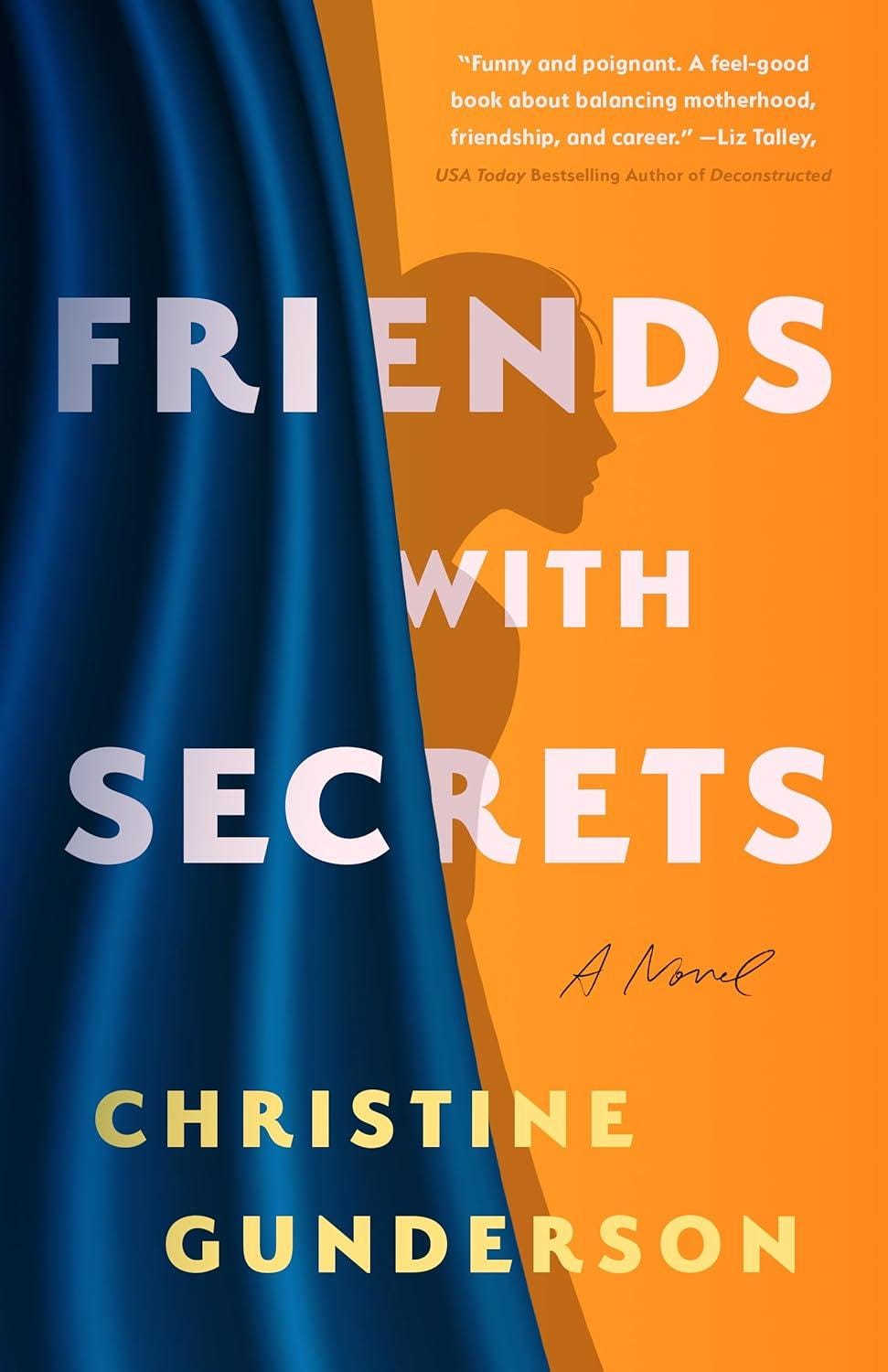
“A very clever & exciting read.”
Happy Reader
⭐⭐⭐⭐⭐

Christine, I’m new to your terrific newsletter and it did not disappoint! Well-done!! While I am personally using AI for many, many, many things to increase my ability to focus on those areas that need more of me (like writing!) I get your point. However, I’ll put in a respectful plug for balance. I worry about waking up one day and having no idea how to use the technology that is likely to become increasingly ubiquitous in our daily lives. So for me, it’s about using it where it can do the basic things, so that I can preserve more of my limited mental bandwidth for those more meaningful creations! Just a thought xx L
To remain true to our values, we must all choose our form of resistance—and I highly endorse yours! Writing is rewarding in relation to the effort expended, which makes AI books irrelevant to the central premise of every novel: the effortful process of change.